

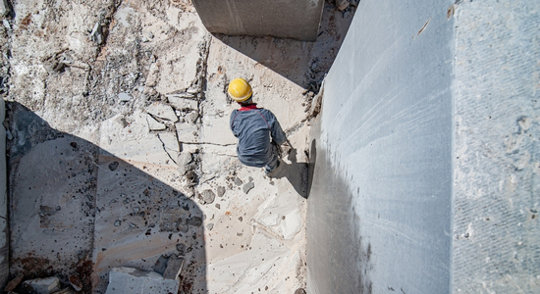

The sound hits first. A ladder scrapes concrete, a tool belt shifts, someone shouts from below, and then everything changes in a second. On California job sites, workers spend long days on scaffolds, roofs, framing platforms, lifts, and partially finished structures. When proper protection is missing, one mistake or one unsafe condition can lead to a life-changing injury. That is why fall from heights accidents in construction are not minor job site incidents. They are serious events that can leave workers dealing with surgery, lost income, pain, and months of uncertainty.
Falls are still the leading cause of death in construction. OSHA’s current fall prevention campaign says that in 2023 there were 421 fatal falls to a lower level out of 1,075 construction fatalities. Those deaths were preventable.
In California, an injured construction worker will often have a workers’ compensation claim, but that may not be the whole case. Depending on what went wrong, there may also be questions about unsafe equipment, outside contractors, site control, and third-party liability.
What Is the #1 Cause of Death in Construction?
Falls are the number one cause of death in construction. OSHA states this directly in its fall prevention campaign, and BLS data behind that campaign shows how large the problem remains. In 2023, falls to a lower level caused 421 deaths in construction.
That point matters because many workers think of falls as just one hazard among many. But on real job sites, falls from roofs, ladders, scaffolds, openings, and leading edges continue to cause more deaths than any other construction danger. When a worker is sent to elevated heights without proper planning, the risk is not abstract. It is the risk most likely to turn fatal
What Percentage of Construction Accidents Are Due to Falls From Height?
The Bureau of Labor Statistics (BLS) reported that 38.5 percent of construction workplace deaths in 2023 were due to falls, slips, and trips. The construction industry also accounted for 47.8 percent of all fatal falls, slips, and trips across industries that year.
That figure does not mean every nonfatal construction accident comes from a fall. It does show, though, that falls from heights remain one of the biggest drivers of fatal construction accidents and one of the most urgent safety problems on construction sites.
At What Height Do Most Fatal Falls Occur in Construction?
A lot of workers assume the worst falls happen only from extreme heights. The data says otherwise. BLS reported that within construction, most fatal falls to a lower level in 2023 happened from heights between 6 and 30 feet.
That matters because six feet is not very high on a construction site. It can mean a roof edge, a scaffold level, a mezzanine, a framing platform, or a ladder setup that looks routine. A worker does not need to fall from a tower crane to suffer a fatal injury. Even a shorter fall can cause a brain injury, spinal damage, or death.
Causes of Falls From Heights on a Construction Site
The common causes of falls from heights are usually familiar to workers who have spent time on active projects. The problem is not that the hazard is mysterious; rather, it lies in the failure of construction companies to address known risks. The problem is that the hazard is often ignored, rushed, or left uncorrected.
Common causes of falls include:
- missing guardrails
- uncovered holes and skylights
- defective or poorly secured ladders
- unsafe scaffold setup
- weak roof decking
- missing anchor points
- failure to use fall protection
- poor housekeeping near elevated work areas
- bad weather on exposed work surfaces
- weak training and poor supervision
OSHA’s fall protection rule for construction addresses many of these hazards directly. The regulation covers unprotected edges, leading edges, holes, ramps, excavations, dangerous equipment, low-slope roofs, steep roofs, wall openings, and other elevated walking and working surfaces.
Common Causes of Falling Accidents and Why Construction Workers Face So Much Risk
Construction workers often move between tasks, crews, surfaces, and elevations in the same shift, increasing their risk of accidents on construction sites. That alone raises fall risk. Add schedule pressure, incomplete site conditions, multiple subcontractors, and changing weather, and the danger gets worse.
Roofing contractors accounted for 110 fatal falls, slips, and trips in 2023, while residential building construction accounted for 62. That helps explain why falls in the construction industry keep showing up in the same sectors year after year. Workers are often moving fast, carrying materials, stepping around openings, or working from heights before the site is fully stabilized.
This is also why falls on construction sites are not just a worker mistake story. A construction accident often starts with a site-level safety failure. It may be bad planning, missing equipment, poor coordination, or pressure to keep going when the setup is not safe.
What Are the 5 P’s of Fall Prevention Strategies in Construction?
This is one of those phrases that gets used loosely in discussions about occupational safety. There is not one single OSHA rule called the “5 P’s of fall prevention.” Different trainers use different versions. For construction, the clearest OSHA model is simpler: Plan, Provide, Train. OSHA puts those three steps at the center of its fall prevention campaign.
If you want a practical five-part version for this page, a clean way to explain it is:
- Plan the work before anyone starts
- Provide the right fall protection systems
- Protect openings, edges, and lower levels
- Prepare workers with clear safety training
- Prevent repeat hazards through inspections and correction
That wording fits how safety works on a real construction site. The point is not the slogan. The point is whether the company identified the hazard, supplied proper equipment, trained the crew, and corrected unsafe conditions before someone got hurt. OSHA’s own campaign says employers should plan ahead, provide the right equipment, such as personal fall arrest systems, and train everyone to use it safely to prevent falls.
What Types of Injuries Are Common in Fall-Related Injuries in Construction?
Fall-related injuries in construction are often severe and can lead to both fatal and nonfatal falls if safety protocols are not followed. A worker injured in a fall may suffer:
- traumatic brain injuries
- spinal cord injuries
- neck and back injuries
- broken wrists, arms, ribs, hips, and legs
- internal bleeding
- shoulder and knee damage
- nerve injuries
- facial trauma
- long-term pain and mobility problems
Falls from heights do not have to look dramatic to cause serious injuries. A fall to a lower level from a ladder or scaffold can still lead to permanent disability, lost wages, and a long recovery. That is why injuries in construction tied to elevated work should be taken seriously from day one.
How Can Construction Sites Use Fall Protection Systems Effectively?
Construction sites reduce risk when fall protection is treated as part of the job, not as an afterthought. Effective fall protection usually means choosing the right system for the task, making sure it is actually available, and enforcing its use.
On many sites, that includes:
- guardrail systems at open sides and edges
- covers over holes and skylights
- personal fall arrest systems
- safety nets where needed
- proper ladder selection and setup
- scaffold inspection and safe access
- anchor points that are in the right place
- training workers in the language they understand
- daily checks for changing site conditions
OSHA’s construction fall standard requires protection for many tasks when workers are 6 feet or more above a lower level. The rule also covers holes, hoist areas, ramps, excavations, low-slope roofs, steep roofs, precast concrete erection, residential construction, and wall openings.
What OSHA Rules Address Fall Protection in Construction Industries?
The main federal rule is OSHA 29 C.F.R. § 1926.501, the duty to have fall protection. In general, the standard requires protection when a worker is 6 feet or more above a lower level on an unprotected side or edge. It also requires protection around holes, leading edges, hoist areas, ramps, excavations, dangerous equipment, roofing work, wall openings, and similar hazards.
OSHA’s campaign also puts it in plain language to help prevent falls in construction. Employers should plan the job safely, provide the right equipment, and train workers to use that equipment safely. Workers six feet or more above lower levels are at risk for serious injury or death if they fall, especially when working at heights without proper safety measures in place.
Who Is Liable for Construction Fall Injuries?
Liability depends on how the fall happened. In many California cases, the injured worker first turns to workers’ compensation. That system can provide medical treatment and disability benefits without requiring the worker to prove ordinary employer fault. California’s Division of Workers’ Compensation says injured workers should report the injury promptly, and the employer must give or mail a DWC-1 claim form within one working day after learning about the injury or illness.
But workers’ compensation is not always the only path. In serious construction fall accidents, legal responsibility may also involve:
- a general contractor
- a subcontractor
- a property owner
- a scaffold company
- a ladder or lift manufacturer
- another outside company that created or failed to correct the hazard
That becomes important when the fall involved defective equipment, unsafe site coordination, missing protection at a multi-employer construction site, or a dangerous condition created by someone other than the worker’s direct employer.
What Should a Worker Do Right After Falls on Construction Sites?
The first steps matter. A worker who is physically able should:
- get emergency care or medical treatment right away
- report the injury to the employer as soon as possible
- ask for the DWC-1 workers’ compensation claim form
- take photos of the area, equipment, and visible injuries if possible
- get witness names
- keep discharge papers, work restrictions, and prescriptions
- write down what happened while the details are still fresh
California’s Division of Workers’ Compensation says reporting promptly helps avoid delays in benefits, including medical care, and warns that if the injury is not reported within 30 days, the worker could lose the right to receive workers’ compensation benefits.
That practical step is easy to miss after a fall. People wait because they think the pain will pass or because the foreman says they can sort it out later. That delay can make the claim harder and can also make it easier for others to argue about what really happened.
Why These Construction Accidents Deserve Immediate Attention
Falls are the leading cause of death in construction, and the data still shows the same pattern year after year. Workers die from falls to a lower level. Many more suffer severe falls, broken bones, brain injuries, and long-term disability. The worst part is that many of these incidents start with known fall hazards, not rare events.
On a construction site, a missing guardrail, weak scaffold plank, open hole, bad ladder setup, or missing tie-off point can turn an ordinary task into a fatal accident. That is why fall prevention, worker safety, and proper fall protection systems matter so much. A worker injured in a fall may have a workers’ compensation case, and in some cases, a separate personal injury claim against a third party as well.
Speak with a California Team That Represents Workers
If you were hurt in fall from heights accidents in construction, you do not need to sort through the claim alone while trying to heal. The legal questions come quickly. Who should be notified? What benefits should already be starting? Whether someone other than the employer may also be at fault? Whether the case involves temporary disability, permanent disability, or both?
Workers often put this off because they want to see if the pain settles down or if the employer “does the right thing.” Sometimes that works out. A lot of times it does not. And when records are missing or deadlines get close, the case gets harder than it needed to be. This is where hiring a construction accident attorney comes in.
If you are thinking of obtain legal help and filing a claim, contact The Work Justice Firm today for a free case consultation! Or visit us at workjustice.com to find out more about what we can do for you.