
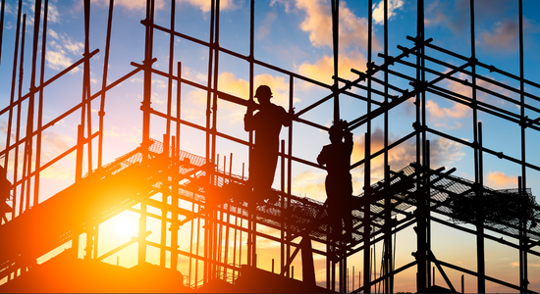

A construction site can change fast. One crew is working overhead, another is moving materials across the job site, and someone below is trying to finish the next task before the shift ends. Then a tool slips, a load shifts, or debris drops from above. In a second, a routine workday becomes a construction accident.
That is why so many injured workers search for common injuries from falling objects in construction after a serious incident. These cases are rarely minor. A falling object can lead to head trauma, broken bones, spinal damage, internal injuries, lost income, and long recovery periods. In some cases, the worker also has to deal with delayed treatment, denied benefits, or disputes about who caused the hazard.
In California, these accidents happen on high-rise projects, warehouse builds, road crews, apartment renovations, and smaller residential jobs. The location changes, but the risk does not. When work is happening above ground level and materials or equipment are not secured, workers below are exposed to falling object hazards.
The Work Justice Firm represents injured workers in California. If you were injured by a falling tool, debris, or construction material, it helps to understand what injuries are common, why these accidents happen, and what options may be available after the injury.
Common Injuries from Falling Objects in Construction and Why They Happen
The most common injuries from falling objects in construction among construction workers usually happen when an object strikes a worker’s head, neck, shoulders, back, hands, or feet. The force of impact can be much greater than people expect, even when the object does not fall from very high up.
Common injuries include:
- Head injuries, including concussions and traumatic brain injuries
- Neck injuries and spinal cord injuries
- Broken bones in the hands, wrists, arms, ribs, legs, and feet
- Back injuries that may get worse over time
- Shoulder injuries from direct impact
- Deep cuts, facial injuries, and eye injuries
- Internal injuries that are not obvious right away
Injuries likes head injuries deserve close attention, particularly those involving falling objects. A worker does not have to lose consciousness to lead to serious injuries. Headaches, dizziness, confusion, nausea, blurred vision, and sensitivity to light or noise may show up later. That is one reason some injuries caused by falling objects get brushed off too early.
Injuries in the construction industry such as back injuries are also common. Sometimes the object hits the worker directly. Other times, the force knocks the worker off balance, twists the body, or causes a fall to the ground. What looks like a simple strain at first can turn into long-term pain, lifting limits, and reduced ability to work.
Spinal cord injuries and traumatic brain injuries are among the most serious outcomes. Heavy falling objects can cause permanent disability, ongoing treatment needs, and major changes in daily life. In the worst cases, a falling object accident can lead to fatal injuries.
What Objects Commonly Fall on Construction Sites
Workers often talk about falling object injuries in general terms, but it also helps to look at the objects themselves. Common falling objects include:
- Hand tools left near edges
- Power tools placed on scaffolds or ladders
- Building materials such as wood, metal, pipe, drywall, or bricks
- Buckets, fasteners, bolts, and loose hardware
- Debris from demolition or cleanup work
- Construction equipment parts
- Loads being lifted by cranes, forklifts, or hoists
- Object or piece of equipment that was not secured correctly
Small objects can also cause serious injury if dropped from above. A heavier object can cause severe harm even from a shorter distance. On a busy construction site, workers may not even see the object coming before impact.
This is part of what makes falling objects on construction sites so dangerous. The injured person and an object do not need to be moving toward each other at high speed for the result to be severe. Gravity does most of the work when a worker is struck-by falling objects.
Primary Causes of Falling Object Construction Accidents
Most falling object accidents on construction sites do not happen by chance. They usually come from one or more safety failures on the job site.
Common causes of falling object accidents include poorly secured tools, unstable material stacks, unsafe overhead work, weak housekeeping, rushed lifting operations, and missing protective systems. Construction companies may also create risks when they fail to separate overhead work from lower-level work or allow crews to work beneath suspended loads.
Some of the most common causes of falling include:
- Tools left unsecured on scaffolding
- Materials stacked too high or too loosely
- Debris pushed aside instead of removed safely
- Loads that shift during lifting
- Missing toe boards, netting, or canopies
- Poor communication between crews
- Unsafe crane, hoist, or forklift operations
- Failure to mark danger zones below overhead work
When people search for the causes of falling object accidents, they are usually trying to understand whether the incident could have been prevented. In many cases, the answer is yes. Preventing falling object risks are a basic part of construction safety. A site should not treat overhead hazards, such as being struck by a falling object, as normal.
Common Injuries From Falling Objects in Construction Can Happen Even From Short Falls
Workers sometimes assume an object has to fall from a great height to cause serious injury. That is not always true. A tool dropped from one level above can still break a hand, fracture a foot, or cause a concussion. The weight of the object, the shape of it, the distance it falls, and where it lands all matter.
A falling object hits with concentrated force. If it lands on the head, neck, or spine, the result can be much worse than the worker first realizes. Even with a hard hat, a direct blow can still lead to brain injuries, neck trauma, or lasting pain.
This is one reason common injuries from falling objects in construction should never be treated lightly. An injury may look manageable at first and still turn into a major medical issue later.
Other Common Injuries in Construction Beyond Falling Objects
Falling object injuries are a major hazard, but they are not the only injuries in construction. Other common injuries in construction include falls from heights, electrocution, crush injuries, machinery accidents, burns, repetitive stress injuries, and transportation-related incidents.
Still, falling objects in construction remain a serious source of workplace injuries because they can affect workers who are doing everything right. A worker below may not be using the tool, moving the load, or handling the demolition work. The danger comes from what is happening above or nearby.
That is what makes struck-by hazards so frustrating. A worker can be careful and still get injured by a falling object because someone else failed to secure materials or control the area.
What To Do Right After Sustaining Injuries from Falling Debris or Objects
The first steps matter. If you were injured by a falling object at work, try to do the following as soon as possible:
- Get medical care right away
- Report the injury to your supervisor or employer
- Ask for the workers’ compensation claim form
- Take photos of the area, the object, and your injuries if it is safe
- Get names of witnesses
- Save damaged gear, including your hard hat, gloves, or vest
- Write down when symptoms started and how they changed
This is not about overreacting. It is about protecting your health and preserving the facts. Injuries from falling debris and overhead materials can look simple at first, then get worse over the next day or two.
A worker who tries to finish the shift may later find out the injury is much more serious than expected. That happens often with head injuries, back injuries, internal injuries, and neck trauma.
Safety Measures That Help Prevent Falling Object Injuries
To prevent injuries from falling objects, a construction site needs real controls, not just warnings. Prevent falling object hazards usually requires planning, supervision, and follow-through.
Safety measures may include secured tools, proper material storage, exclusion zones below overhead work, debris control, safe rigging, overhead protection, and clear crew communication. A site should also inspect scaffolds, platforms, and lifting operations before workers are placed below them.
Ways to prevent falling and reduce risks of falling objects include:
- Use tool lanyards and secure storage
- Stack materials correctly
- Keep walkways and platforms clear
- Install toe boards, debris nets, or canopies where needed
- Restrict access below overhead work
- Never allow workers under suspended loads
- Train workers to recognize falling object hazards
- Enforce site rules consistently
Prevent objects from falling should not be treated like a minor housekeeping issue. It is a serious safety duty because falling materials can cause serious injury if dropped.
Employer Responsibility for Falling Object Hazards
An employer has a duty to provide a reasonably safe workplace. On a construction site, that includes controlling known struck-by hazards and taking practical steps to prevent falling object incidents.
Employer responsibility may include providing safety equipment, training workers, inspecting the job site, correcting unsafe stacking or lifting practices, and coordinating work so that employees are not exposed to overhead hazards. General contractors, subcontractors, property owners, and equipment-related parties may also play a role, depending on how the site was organized.
That matters because not every falling object accident is just bad luck. Sometimes the cause of construction injuries is a site that accepted unsafe conditions for too long.
What Workers’ Compensation May Cover After a Falling Object Accident
Most California workers start with a workers’ compensation claim after a construction accident. Workers’ compensation may cover medical treatment, temporary disability payments, permanent disability benefits, supplemental job displacement benefits in some cases, and death benefits for certain family members after fatal accidents.
For many workers, this is the first source of help after common injuries from falling objects in construction. Medical bills start quickly. Work restrictions can follow. A serious injury may require surgery, therapy, imaging, medication, and follow-up appointments with a personal injury attorney.
But workers’ compensation does not always solve everything. Problems can come up when treatment is delayed, the injury is minimized, or the worker is pushed to return too soon. That is often when injured workers start looking for guidance.
Can You Sue After Sustaining Injuries Caused by Falling Objects?
Sometimes, yes. A personal injury claim may be possible if someone other than the worker’s direct employer contributed to the accident. That can happen on a construction site where multiple companies are involved.
For example, a third-party claim may exist if a subcontractor created the hazard, a property owner failed to address dangerous conditions, or defective construction equipment played a role. In that situation, the injured worker may have both a workers’ compensation claim and a separate personal injury lawsuit.
That is why serious falling object injuries often need a closer legal review. A worker may assume there is only one type of claim, when the facts actually point to more than one path forward. Injury lawyers often look at who controlled the area, who created the hazard, and whether another company’s negligence caused the object accident.
Why These Injury Cases Affect Construction Workers So Deeply
These injuries affect more than one part of the body. They affect work, income, routine, and family life. Construction workers often sustain injuries that make climbing, lifting, gripping, driving, sleeping, or even walking more difficult.
And there is the practical pressure. Missing work can mean lost wages right away. Medical appointments take time, especially for injuries sustained in the construction industry. Pain interrupts sleep. A worker who used to handle physical construction work every day may suddenly be unsure about returning to the same job.
That is why common injuries caused by falling objects deserve careful attention. They are not just painful. They can reshape a worker’s health and earning ability for a long time.
When To Talk With Injury Lawyers at The Work Justice Firm
If you or a loved one was hit by a falling object at a construction site which resulted in injury or death, it is worth asking questions early. You may need help understanding workers’ compensation, figuring out whether another claim is possible, or dealing with delays in medical care and benefits.
The Work Justice Firm represents workers in California and focuses on job-related injury cases. If your injury from falling objects is already affecting your health, your paycheck, or your ability to return to work, getting clear advice early can make a difference.
Contact us today for a free case consultation! Or visit us at workjustice.com to find out more about how our workers comp lawyers can help you!
FAQ About Common Injuries From Falling Objects in Construction
What are the most common injuries caused by falling objects on construction sites?
The most common injuries include head injuries, traumatic brain injuries, broken bones, neck injuries, spinal cord injuries, back injuries, shoulder injuries, facial injuries, and internal injuries.
What objects commonly fall on construction sites?
Common falling objects include hand tools, power tools, loose hardware, pipes, wood, drywall, bricks, debris, equipment parts, and lifted materials that shift during hoisting or transport.
How far does an object have to fall to cause serious injury?
There is no single safe distance. Even a shorter fall can cause serious injury if the object is heavy, sharp, or lands on the head, neck, spine, hand, or foot.
Can I get workers’ compensation if I was struck by falling objects?
In most cases, yes. If the injury happened at work, workers’ compensation may cover medical care and disability benefits, even if you do not have to prove fault to start the claim.
Can I file a lawsuit after a falling object accident?
You may be able to file a personal injury lawsuit if a third party, such as a subcontractor, property owner, or equipment-related company, contributed to the accident. That depends on the facts of the case.