

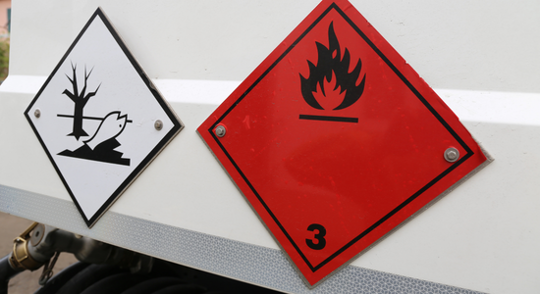

California moves on trucks. You see it on I-5 before sunrise, on I-10 as traffic builds, and on the 405 when everything slows down. Tankers, box trucks, port rigs, and delivery vans keep goods moving every day. But when the load includes hazardous material, one bad choice can lead to burns, chemical exposure, a crash, or a serious workplace injury.
If you work in transport, warehousing, port operations, waste hauling, or logistics, you already know the pressure. Dispatch wants the shipment delivered fast. The customer wants everything perfect. The route is packed. The yard is cramped. And when you speak up about a safety problem, some employers act like you caused the trouble.
This page covers transportation of dangerous goods in California from the worker’s side. It focuses on safety, training, documentation, injury claims, retaliation, and what can happen when a company puts speed ahead of compliance. The Work Justice Firm represents workers, not employers, in employment law and workplace compensation matters across California.
What Do You Need to Transport Dangerous Goods in California?
Before a worker can legally transport dangerous goods, the job usually requires more than just a truck and a deadline. The exact rules depend on the material being transported, the quantity of hazardous cargo, the type of motor vehicle, and whether the load involves hazardous waste, medical waste, or other hazardous substances.
In many cases, workers and employers need:
- Proper shipping papers that match the material
- The correct proper shipping name
- Required placards and markings
- Approved packaging that meets federal regulations
- Training for hazmat employees
- A driver with the right license and, when required, a hazardous materials endorsement
- A transport vehicle that meets applicable requirements
- A route and handling process that follows transportation requirements
For many jobs, the employer also needs to follow rules tied to the department of transportation, the department of motor vehicles, and the department of toxic substances control. If the load involves hazardous waste, a uniform hazardous waste manifest may be required. If the shipment includes radioactive material, poisonous materials, or other high-risk dangerous goods, specific requirements can become stricter.
What Documentation Is Required for Transporting Dangerous Goods in California?
Documentation matters because it tells everyone what is in the shipment, how it should be handled, and what to do if something goes wrong. Missing or inaccurate paperwork can put drivers, yard workers, emergency responders, and the public at risk.
Common documents for transportation of hazardous materials include:
- Shipping papers that identify the hazardous material
- The proper shipping name
- Hazard class information
- Packing group details when applicable
- Emergency response information
- A copy of the manifest for hazardous waste loads
- Registration or permit records in some situations
- Inspection and training records kept by the employer
In many shipments, the required information must appear on the shipping paper in the right order. If hazardous wastes must move under manifest rules, the paperwork has to stay accurate from pickup through delivery. In waste transportation cases, California employers may also need to deal with state registration and health and safety rules.
When a company rushes paperwork or tells a worker to move a load without full documents, that is not a minor issue. It can expose the worker to discipline, accidents, and blame after an incident.
What Are the Regulations for Transporting Dangerous Goods by Road in California?
Road transport brings another layer of rules. California drivers do not just deal with the cargo. They also deal with traffic, heat, steep grades, lane restrictions, and heavy congestion around ports, warehouses, and city corridors.
Road rules often involve:
- Federal hazardous materials transportation rules under Title 49 of the Code of Federal Regulations
- Motor carrier safety regulations
- Vehicle inspection requirements
- Placarding and marking rules
- Packaging requirements
- Securement rules for material being transported
- Routing limits for certain hazardous cargo
- Commercial licensing rules from the DMV
California road transport jobs may run through Los Angeles, Long Beach, Oakland, the Central Valley, Inland Empire corridors, and mountain passes where braking, heat, and congestion create added risk. A vehicle transporting dangerous goods must be properly equipped, clearly marked when required, and operated by a worker who received hazmat training.
What Should You Do When Transporting Dangerous Goods in California?
Workers are often told to move fast, but safe transport takes routine and discipline. A good run starts before the vehicle leaves the yard.
Workers transporting hazardous materials should:
- Check the shipment before departure
- Confirm placards, markings, and shipping papers
- Inspect hoses, seals, valves, and containers
- Verify that the packaging matches the material
- Make sure the vehicle must carry the correct safety equipment
- Follow segregation rules if different materials are loaded together
- Watch for leaks, odors, shifting loads, or damaged packaging
- Report problems right away, in writing if possible
- Do not move the load without first fixing known safety issues
That last point matters. If a supervisor pressures you to haul material without proper placards, incomplete paperwork, or unsafe securement, the problem is not your caution. The problem is the unsafe order.
Transportation of Dangerous Goods in California and the Risks Workers Face
Hazmat work is not one type of job hazard. It can involve corrosives, flammables, compressed gases, batteries, medical waste, hazardous waste, and other dangerous goods. The labels differ, but the workplace risks often look familiar.
Common problems include:
- Unsafe equipment and loading – A worn hose, damaged valve, leaking drum, or weak trailer floor can turn a routine shipment into an emergency.
- Rushed checks and skipped steps – Placards, pre-trip checks, and shipping papers are not busywork. They are basic safety controls.
- Exposure and illness – Some injuries are immediate. Others show up later as breathing problems, headaches, skin reactions, or lingering symptoms.
- Crashes and roadway hazards – California routes bring steep grades, long traffic backups, and heat that can make hazardous materials transportation even more dangerous.
- Threats when workers speak up – A worker who reports a problem may lose routes, hours, or overtime, or get written up soon after.
If that sounds familiar, the issue may involve both workplace safety and employment law.
What Training Is Required for Transporting Hazardous Materials in California?
Training is one of the biggest weak spots in these jobs. Some employers assume workers will figure it out on the fly. That is not good enough when the cargo includes hazardous substances.
Hazmat employees may need training on:
- General awareness of hazardous materials shipping
- Job-specific handling rules
- Safety procedures for loading, unloading, and transport
- Emergency response steps
- Security awareness
- Requirements for marking, labeling, and placarding
- How shipping paper information must appear
- How the hazardous materials table is used
- How the segregation table for hazardous materials applies
In many cases, workers must receive training before handling or transporting hazardous materials without supervision. Refresher training may also be required. Hazmat employers who skip training courses and then blame workers after an incident are creating their own risk.
What Are the Placarding Requirements for Transporting Class 9 Hazardous Materials in California?
Placarding rules depend on the material, the quantity of hazardous cargo, and the way the shipment is packaged. Class 9 materials can include substances and articles that still present transportation hazards even if they do not fit into other major hazard classes.
The exact placarding requirement depends on the shipment. In some cases, materials must be placarded. In other cases, the quantity of hazardous material, the package type, or an exception under federal hazardous rules changes the requirement.
What matters for workers is simple. Never assume a load does not need placards just because someone in the yard says it is fine. The material, packaging, and amount all matter. If the placard decision is wrong, the driver may be the one stopped, questioned, or blamed later.
What Are the California Requirements for Hazardous Waste Transporter Registration and Insurance?
Hazardous waste jobs bring extra paperwork and state-level rules. California treats waste transportation seriously, especially when the load involves hazardous waste, medical waste, or materials regulated through the department of toxic substances control.
Depending on the job, employers may need:
- Hazardous waste transporter registration
- Proof of insurance
- Vehicle identification and permit records
- A uniform hazardous waste manifest
- Copies of the manifest carried through the trip
- Records tied to pickup, transfer, and delivery
This is one reason transportation of dangerous goods in California can become legally complicated fast. A company may be dealing with federal rules, California waste regulations, and motor carrier requirements at the same time.
What Types of Transportation Are Exempt From RCRA Regulations in California?
Some transportation activities may fall outside certain RCRA requirements, or may be treated differently depending on the material, the generator, the transfer process, or the stage of transportation. But workers should be careful with assumptions here.
Exemptions can depend on:
- Whether the material is actually classified as hazardous waste
- Whether the movement is part of on-site handling instead of off-site transport
- Whether another regulatory system applies
- Whether the material meets a limited or conditional exemption
This area gets technical fast. Employers sometimes use the word exempt too loosely. That can leave workers exposed if regulators or investigators later decide the shipment did not qualify. In real jobs, it is safer to treat the material seriously unless the company has clear documentation showing why a specific rule does not apply.
Speed and Routing Restrictions for Hazardous Materials Transport
California drivers often ask about speed restrictions and route limits because these rules can change by load type and roadway. The answer is not always one simple number.
Restrictions may depend on:
- The type of hazardous material
- Whether the load includes explosives, radioactive material, or poisonous materials
- The road used
- The local route or posted restriction
- Commercial driver handbook guidance
- Company policy and applicable regulations
Drivers should not rely on memory alone, especially with rare loads. Route planning, posted restrictions, and shipment-specific rules matter. A motor carrier that pressures a worker to take a shortcut through the wrong corridor or to drive too fast in poor conditions is setting that worker up for danger.
What Are the Emergency Procedures and Reporting Requirements for Incidents Involving Hazardous Materials Transportation in California?
A spill, leak, crash, or release can turn chaotic fast. That is why reporting requirements matter. The right response protects workers, the public, and the record of what happened.
After a hazmat incident, workers may need to:
- Get to safety
- Call emergency services when needed
- Report the incident to the employer right away
- Document what happened
- Preserve shipping papers and manifest records
- Identify the material involved
- Follow instructions for isolation or evacuation
- Help create an incident report
In some situations, a hazmat incident must be reported under federal hazardous transportation rules. California reporting requirements may also apply depending on the material, the release, and whether health services, environmental agencies, or other authorities need notice.
What To Do After a Spill, Exposure, or Crash at Work
When an incident happens, the next steps matter. Workers often get hurt twice, first by the event, then by the employer’s response.
A practical checklist:
- Get medical care – Do not brush off inhalation, burns, or exposure symptoms.
- Report the incident – Tell a supervisor and follow up in writing if you can.
- Document what you safely can – Photos, witness names, location details, and shipment identifiers can help.
- Do not accept blame too fast – You can cooperate without signing something inaccurate.
- Keep your own records – Store copies on a personal device or email, not only on company systems.
- Watch for retaliation – Cuts to hours, bad assignments, sudden discipline, or termination after a report can all matter.
Your Rights When Safety Complaints Get You Punished
Many workers do the right thing. You point out a leaking container. You ask for hazardous materials training. You refuse to move a load without proper placarding. You report a spill. Then the workplace changes.
Retaliation may look like:
- A sudden final warning after solid performance
- Schedule cuts or route changes
- Loss of overtime
- Harassment from supervisors or coworkers
- Termination dressed up as attendance or performance trouble
Timing matters. A company does not need to admit retaliation for the pattern to be clear.
Work Injuries, Workers’ Compensation, and What It Can Cover
A dangerous goods incident can cause burns, back injuries, neck injuries, chemical exposure, eye injuries, falls, crush injuries, or long-term illness. Workers’ compensation may cover medical care and benefits when the injury happened because of work.
Benefits may include:
- Medical treatment
- Temporary disability payments
- Permanent disability benefits
- Mileage reimbursement in many cases
- Job displacement benefits in some situations
If you are hurt, report it quickly and keep your own notes. Write down where it happened, what you were transporting, what symptoms you had, and who you told.
When Employers Try to Shift Blame to the Worker
These jobs often produce blame games. A manager says you should have caught a leak, even though you were rushed. A company says you ignored policy, even though nobody trained you. A supervisor says the PPE was available, even though it was locked away.
Helpful evidence can include:
- Dispatch messages
- Training logs
- Maintenance records
- Photos of the load, placards, and vehicle
- Witness names
- Requests for camera footage
Keep it factual. Details beat opinions.
Wage, Break, and Misclassification Problems in the Same Jobs
Many transport workers face more than one problem at once. The same employer who cuts corners on hazmat shipping may also cut corners on pay.
Common issues include:
- Missed meal breaks
- Off-the-clock inspection time
- Unpaid paperwork time
- Misclassification as an independent contractor
Those patterns matter because they often show how the employer treats compliance across the board.
Local California Pressure Points in Dangerous Goods Work
Because this topic covers the whole state, it helps to name where pressure builds:
- Ports and industrial corridors – Los Angeles, Long Beach, and Oakland move huge volumes of regulated freight. Tight yards and long lines create pressure.
- Freeways and chokepoints – I-5, I-10, I-80, 101, and 99 can all become high-risk corridors for commercial loads.
- Heat and distance – Long inland stretches and hot weather can affect equipment, driver fatigue, and material stability.
- Medical access after injury – In dense areas like Los Angeles, San Francisco, and San Diego, getting to treatment can become its own problem.
How The Work Justice Firm Can Help
The Work Justice Firm represents workers in employment law and workplace compensation cases across California. In transportation of dangerous goods in California cases, one worker may be dealing with injury claims, retaliation, unpaid wages, and discipline all at once.
A case review usually looks at:
- Your job duties
- What happened
- What complaints you made
- What care you received
- What changes happened at work after the incident
If your employer put speed over safety, that matters. If your employer punished you after you raised concerns, that matters too.
A California Next Step That Does Not Add Pressure
You do not need a perfect file before asking for help. And you do not need every document in hand. But you should act before the company settles on its story.
If you are dealing with an injury, a denied claim, or retaliation after raising safety concerns tied to transportation of dangerous goods in California, contact The Work Justice Firm.
Contact us today for a free case consultation! Or visit us at workjustice.com for more information on how our employment lawyers can help you.